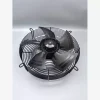
Maintaining a chiller system is not just about keeping it running; it’s about ensuring it operates at peak efficiency, extends its lifespan, and avoids costly breakdowns. Proactive maintenance is the cornerstone of a reliable and energy-efficient cooling system. This guide will walk you through essential chiller maintenance practices that can significantly impact your system’s performance and longevity.
Contents
The Critical Role of Proactive Chiller Maintenance
A chiller is a significant investment for any facility requiring controlled cooling. Neglecting its maintenance can lead to decreased efficiency, higher energy bills, unexpected downtime, and premature equipment failure. Implementing a robust maintenance schedule is vital for safeguarding your investment and ensuring continuous, optimal operation.
- Enhanced Efficiency: Well-maintained chillers consume less energy, leading to substantial cost savings.
- Extended Lifespan: Regular care prevents wear and tear, prolonging the operational life of the unit.
- Reduced Downtime: Proactive checks identify potential issues before they escalate into major failures, preventing costly interruptions.
- Improved Performance: Consistent maintenance ensures the chiller meets its designed cooling capacity efficiently.
- Lower Repair Costs: Addressing minor issues early avoids the need for expensive emergency repairs.
Daily and Weekly Checks for Immediate Health
Simple, routine observations can catch developing problems early, allowing for timely intervention. These daily and weekly checks don’t require specialized skills but are crucial for maintaining immediate operational health and identifying deviations from normal performance.
- Visual Inspection: Check for any obvious leaks (water, oil, refrigerant), unusual noises, vibrations, or odors around the chiller unit.
- Gauge Readings: Monitor operating pressures (suction, discharge) and temperatures (entering and leaving water) and compare them to baseline or manufacturer specifications.
- Condenser Airflow: Ensure condenser coils are free from obstructions (leaves, debris) and that airflow is unrestricted. Clean as necessary.
- Water Level & Quality: For open systems, check cooling tower water levels and conduct basic water quality tests to prevent scaling or corrosion.
- Logbook Updates: Record all readings and observations in a dedicated logbook to track trends and detect anomalies over time.
Deeper Dive: Monthly and Quarterly Maintenance Routines
Beyond daily checks, certain tasks require more attention on a monthly or quarterly basis. These routines delve deeper into the system’s components, ensuring their sustained functionality and preventing issues that might not be immediately apparent during quick inspections.
- Clean Evaporator & Condenser Coils: Thoroughly clean coils to remove dirt, dust, and grime that hinder heat transfer and reduce efficiency.
- Lubricate Moving Parts: Check and lubricate bearings, motors, and other moving components according to manufacturer guidelines to minimize friction and wear.
- Electrical Connections: Inspect all electrical wiring, terminals, and contactors for signs of wear, overheating, or loose connections. Tighten as needed.
- Refrigerant Levels: Verify proper refrigerant charge, as low levels can drastically reduce efficiency and indicate leaks. Address any detected leaks promptly.
- Filter Replacement/Cleaning: Inspect and replace or clean air and water filters to ensure optimal flow and prevent contaminant buildup.
- Pump Performance: Check circulating pumps for proper operation, listen for unusual noises, and inspect seals for leaks.
The Value of Professional Annual Servicing
While in-house maintenance is crucial, an annual professional service by certified technicians is indispensable. These experts possess the specialized tools, knowledge, and experience to conduct comprehensive diagnostics, calibrate controls, and perform intricate repairs that go beyond routine checks, ensuring your chiller operates at peak condition and compliance.
- Comprehensive Diagnostics: Technicians use specialized equipment to assess the overall health and performance of the chiller system, identifying hidden issues.
- Refrigerant Analysis: Professional analysis of refrigerant quality and charge ensures optimal system performance and compliance with environmental regulations.
- Calibration of Controls: Temperature and pressure controls are recalibrated for accuracy, preventing energy waste and ensuring precise cooling.
- Compressor Inspection: Thorough inspection of the compressor, the “heart” of the chiller, for wear, noise, and vibration.
- Eddy Current Testing: For larger systems, this non-destructive test checks for tube integrity in heat exchangers, preventing costly leaks.
- Preventative Part Replacement: Proactive replacement of wear-prone components like seals, belts, and bearings before they fail.
Conclusion
- Regular maintenance is paramount for the efficient, reliable, and long-term operation of any chiller system.
- Combining daily checks with monthly, quarterly, and annual professional servicing creates a comprehensive maintenance strategy.
- Proactive care safeguards your investment, reduces operational costs, minimizes downtime, and ensures a consistent cooling environment.
- Don’t wait for a breakdown; implement a robust maintenance plan today to reap the benefits of a high-performing chiller.
Read more about maintaining your cooling systems and other related services at https://triair.com.my/category/chiller/