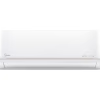
Purchasing an air conditioner is a significant investment, but the initial price tag is often just the beginning. Many homeowners overlook the ongoing, hidden costs associated with owning and operating an AC unit, which can quietly drain your budget over time. Understanding these potential expenses is crucial for making informed decisions and ensuring your comfort doesn’t come with unexpected financial burdens. This post will unveil the common hidden costs of air conditioner ownership and provide actionable strategies to mitigate them, helping you enjoy efficient cooling without breaking the bank.
Contents
Energy Consumption: The Silent Budget Drain
One of the most substantial ongoing costs for any air conditioner owner is the electricity bill. AC units are major energy consumers, and their efficiency, usage patterns, and proper sizing directly impact how much you pay each month. An older unit, or one with a low SEER (Seasonal Energy Efficiency Ratio) rating, can significantly inflate your energy expenses, especially during peak cooling seasons.
- Choose High SEER Units: Invest in an AC with a higher SEER rating to ensure greater energy efficiency and lower operational costs over its lifespan.
- Proper Sizing is Key: Ensure your unit is correctly sized for your space. An undersized unit runs constantly, while an oversized one cycles on and off inefficiently, both wasting energy.
- Utilize Smart Thermostats: Program your thermostat to adjust temperatures when you’re away or asleep, reducing unnecessary cooling.
- Optimize Settings: Aim for a comfortable yet sensible temperature setting (e.g., 24-26°C) to minimize energy draw.
Regular Maintenance: A Necessary Investment
Neglecting routine maintenance is a common pitfall that leads to higher operating costs and premature breakdowns. Like any complex appliance, an air conditioner requires regular check-ups to function optimally. Dust, debris, and wear and tear can reduce efficiency and put strain on components, resulting in increased energy consumption and expensive repairs down the line.
- Schedule Annual Professional Servicing: Have a certified technician inspect, clean, and tune up your unit at least once a year, preferably before the cooling season.
- Clean Outdoor Unit: Regularly clear away leaves, grass clippings, and other debris from around the outdoor condenser unit to ensure proper airflow.
- Check Refrigerant Levels: Low refrigerant can indicate a leak, which reduces efficiency and can damage the compressor. A professional can identify and fix this.
Unexpected Repairs: When Things Go Wrong
Even with proper maintenance, components can fail, leading to costly repairs. Issues like compressor failure, refrigerant leaks, or fan motor malfunctions can incur significant expenses that quickly surpass the initial savings from cutting corners on maintenance. Being prepared for these eventualities is crucial for long-term ownership.
- Understand Your Warranty: Familiarize yourself with your unit’s warranty terms to know what is covered and for how long.
- Consider Extended Warranties: For peace of mind, an extended warranty can cover major repair costs after the manufacturer’s warranty expires, though evaluate its cost-benefit carefully.
- Preventive Maintenance Pays Off: Many unexpected repairs can be avoided or detected early through consistent professional servicing.
Filter Replacements: Small Cost, Big Impact
Air filters are relatively inexpensive, but neglecting their replacement can lead to higher energy bills, reduced indoor air quality, and increased strain on your AC system. A clogged filter restricts airflow, forcing your unit to work harder, consuming more electricity, and potentially leading to premature component wear.
- Check and Replace Monthly: During peak usage, inspect your air filter monthly and replace it every 1-3 months, depending on usage, pets, and allergies.
- Choose Appropriate MERV Rating: Select filters with a MERV (Minimum Efficiency Reporting Value) rating suitable for your system and air quality needs, balancing filtration with airflow.
Installation Errors: Preventing Future Headaches
While an upfront cost, poor installation can lead to a cascade of hidden expenses down the line. Incorrectly installed ductwork, improper refrigerant charge, or an improperly sealed system can drastically reduce efficiency, cause premature breakdowns, and lead to consistent discomfort and higher energy bills, effectively nullifying the benefits of even the most energy-efficient unit.
- Hire Certified Technicians: Always choose qualified and experienced professionals for AC installation to ensure it’s done correctly the first time.
- Ensure Proper Sizing and Ductwork: A good installer will perform a load calculation to size the unit correctly and inspect/install ductwork for optimal airflow and sealing.
- Demand Post-Installation Checks: Verify that the installer checks refrigerant levels, tests airflow, and ensures the unit is running efficiently before they leave.
Conclusion
- Awareness of hidden costs—energy consumption, maintenance, repairs, filters, and installation—is vital for responsible AC ownership.
- Proactive measures like choosing high-efficiency units, regular professional servicing, and prompt filter replacement significantly reduce long-term expenses.
- Investing in proper installation and understanding your warranty can prevent costly future headaches and ensure optimal comfort and efficiency.
- By addressing these often-overlooked aspects, you can enjoy a comfortable indoor environment without succumbing to unexpected financial burdens.
Discover a wide range of efficient and reliable air conditioners to suit your needs at https://triair.com.my/category/air-conditioner/